Precision Metal Forming
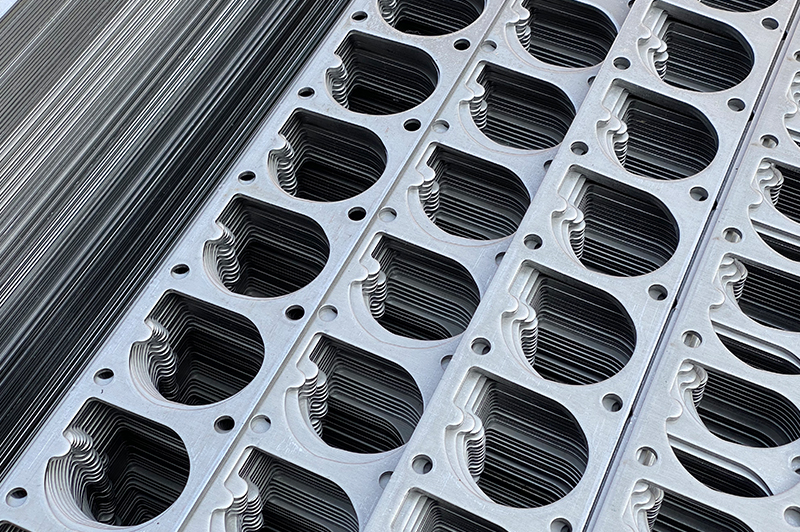
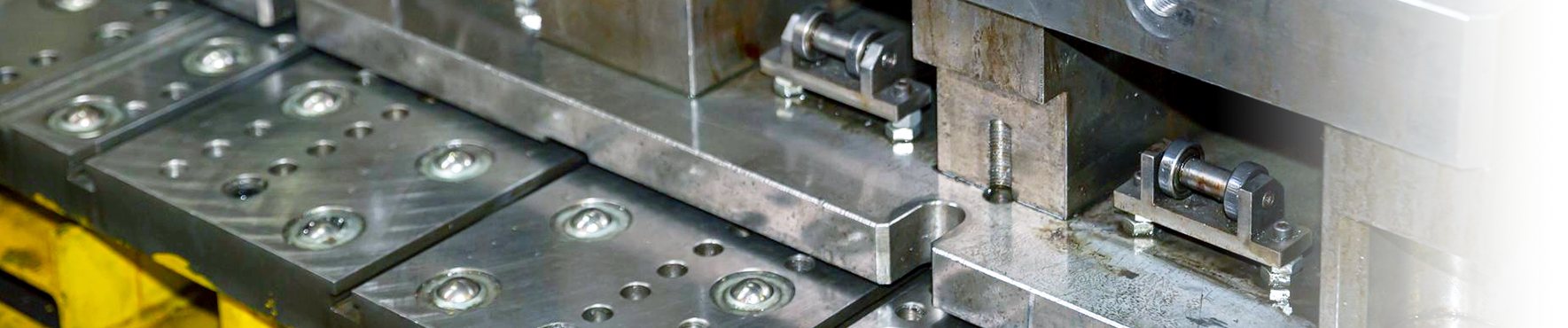
Stamping, also known as pressing, is a manufacturing process that involves placing flat sheet metal—either in blank or coil form—into a stamping press, where a tool and die form the material into its final shape. This process includes a range of sheet metal forming techniques such as punching, blanking, embossing, bending, flanging, and coining. Depending on the complexity of the product, stamping can be executed as a single-stage operation, where each press stroke produces the finished part, or as a multi-stage process that gradually shapes the material through a series of steps.
This method is widely applicable to both metal and non-metal materials, making it a versatile solution for various industries. Its efficiency and repeatability make it especially suitable for mass production, ensuring consistent quality and cost-effectiveness at scale. In addition, stamping supports a flexible production system that allows for adaptation to a wide range of product specifications. With the integration of vertical manufacturing capabilities, the entire process—from material preparation to final output—can be streamlined for greater speed, control, and precision.
Stamping Die
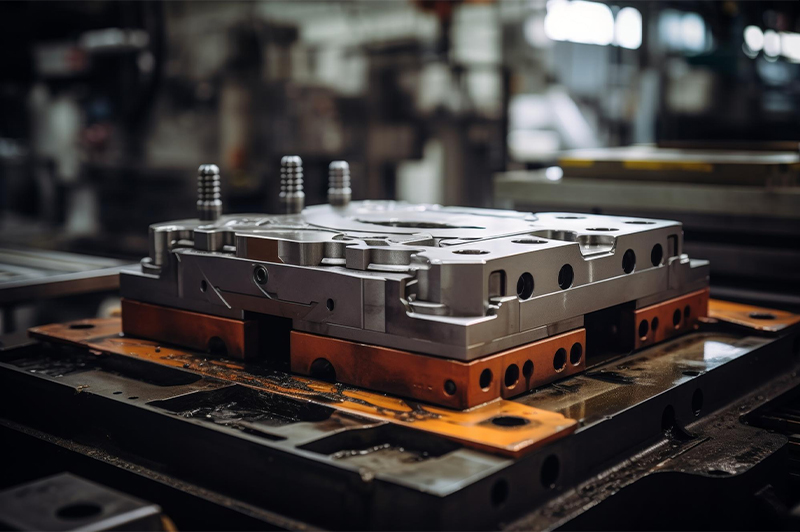
Stamping tooling is not merely a metal forming tool; it is a critical foundation that determines quality consistency, process controllability, and long-term production efficiency in mass manufacturing. The way tooling is developed—and how thoroughly it is integrated into production planning—has a direct impact on production stability, yield performance, and overall manufacturing cost control.
Precision Stamping
Precision stamping is not defined by a single machine or process.
In the metal stamping industry, it refers to a manufacturing capability that consistently delivers tight tolerances, stable quality, and repeatable results in high-volume production.
Unlike general stamping, which focuses primarily on forming parts to shape, precision stamping emphasizes process control, dimensional stability, and functional reliability over long production runs.
Secondary Production Service
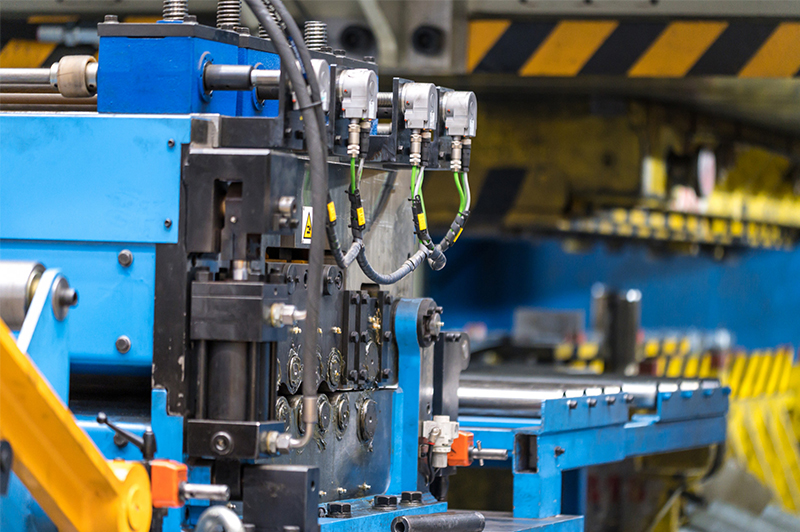
After stamping operations are completed, a component’s readiness for real-world application largely depends on how well secondary processes are planned, integrated, and controlled.
At Kun Feng, secondary production is not treated as a collection of isolated operations, but as an integrated manufacturing support framework developed according to functional requirements, assembly needs, and mass-production conditions.